A cyst is a closed, sac-like structure that can form in any part of the body. It is typically filled with fluid, air, or semi-solid material. Cysts can vary in size, ranging from microscopic to large enough to be felt as a lump under the skin. While most cysts are benign (non-cancerous), some can cause discomfort, pain, or complications depending on their size, location, or whether they become infected.
They can develop anywhere, including the skin, organs, or bones, and are typically filled with fluid, air, or semi-solid material. Most cysts are non-cancerous (benign) and often do not cause significant harm. However, their size, location, or the problems they cause can make them uncomfortable or even dangerous in certain situations.
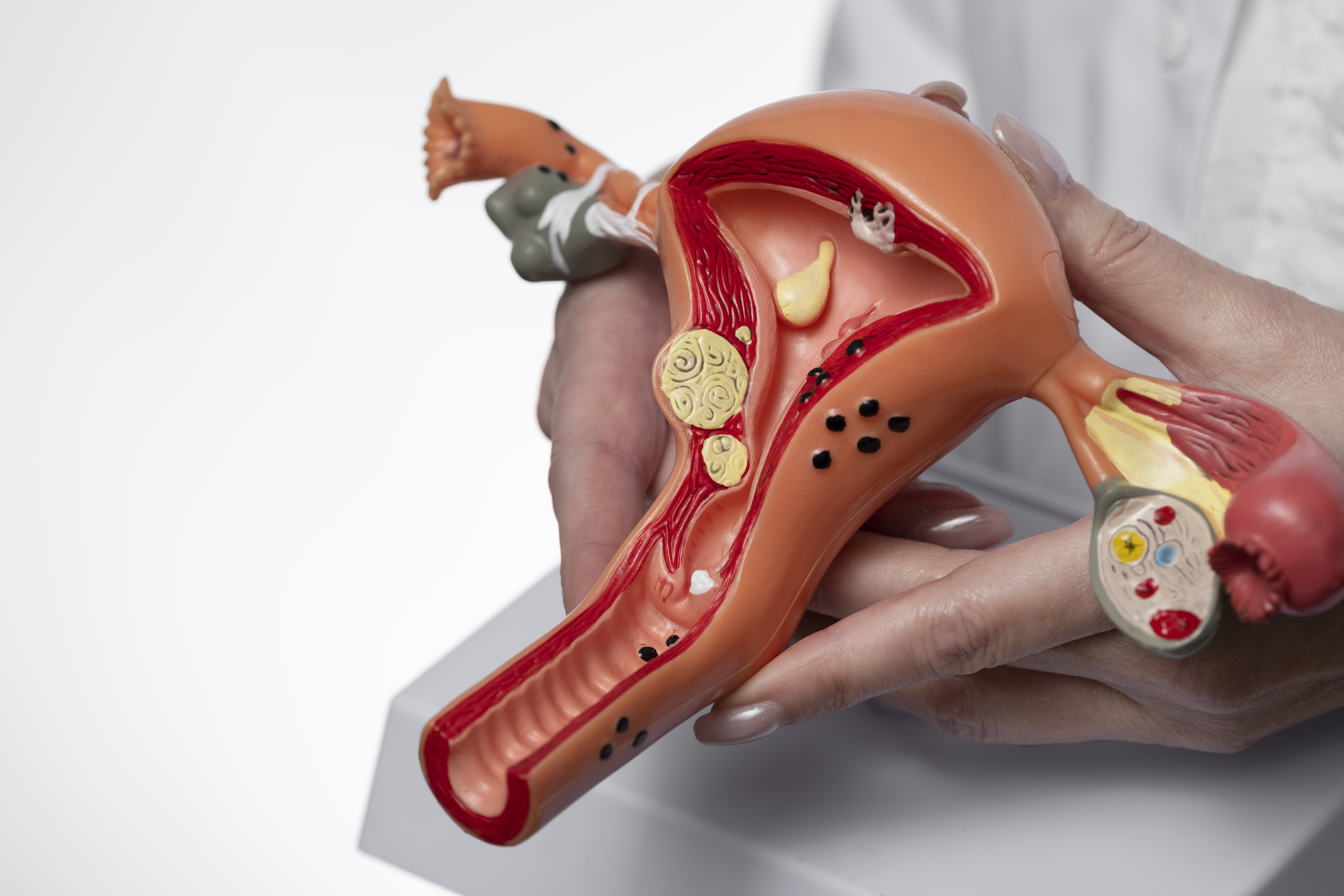
Thyroid Cysts:These are fluid-filled sacs that form in the thyroid gland. Most thyroid cysts are benign, though some may need to be monitored for any changes in size or characteristics.
Cysts can develop for a variety of reasons. Infections, clogged glands or ducts, genetic conditions, or chronic inflammation can all contribute to cyst formation. For example, sebaceous cysts are commonly formed when a hair follicle or sebaceous gland becomes blocked, while ovarian cysts develop in the ovaries due to hormonal changes or other factors.
Treatment for cysts depends on their type, location, and symptoms. Some cysts may not require treatment and can resolve on their own, while others may need to be drained or surgically removed. In cases where the cyst is infected or causing significant discomfort, doctors may prescribe antibiotics, or they may remove the cyst entirely to prevent recurrence. It's important to consult a healthcare provider for proper diagnosis and treatment, especially if the cyst is painful, growing, or shows signs of infection.
Dr Mayank Naresh Patil is MDS Oral & Maxillofacial Surgeon and Implantologist, Fellow in Head and Neck Oncology. He has vast experience of more than 10years. Dr Mayank Patil is specialised in surgeries which involve removal of wisdom tooth, dental implants placement, removal of cyst and tumour of jaw, treating facial injuries, jaw fracture, oral cancer management, Tmj issues, esthetic surgery of jaw and sinus infections.